
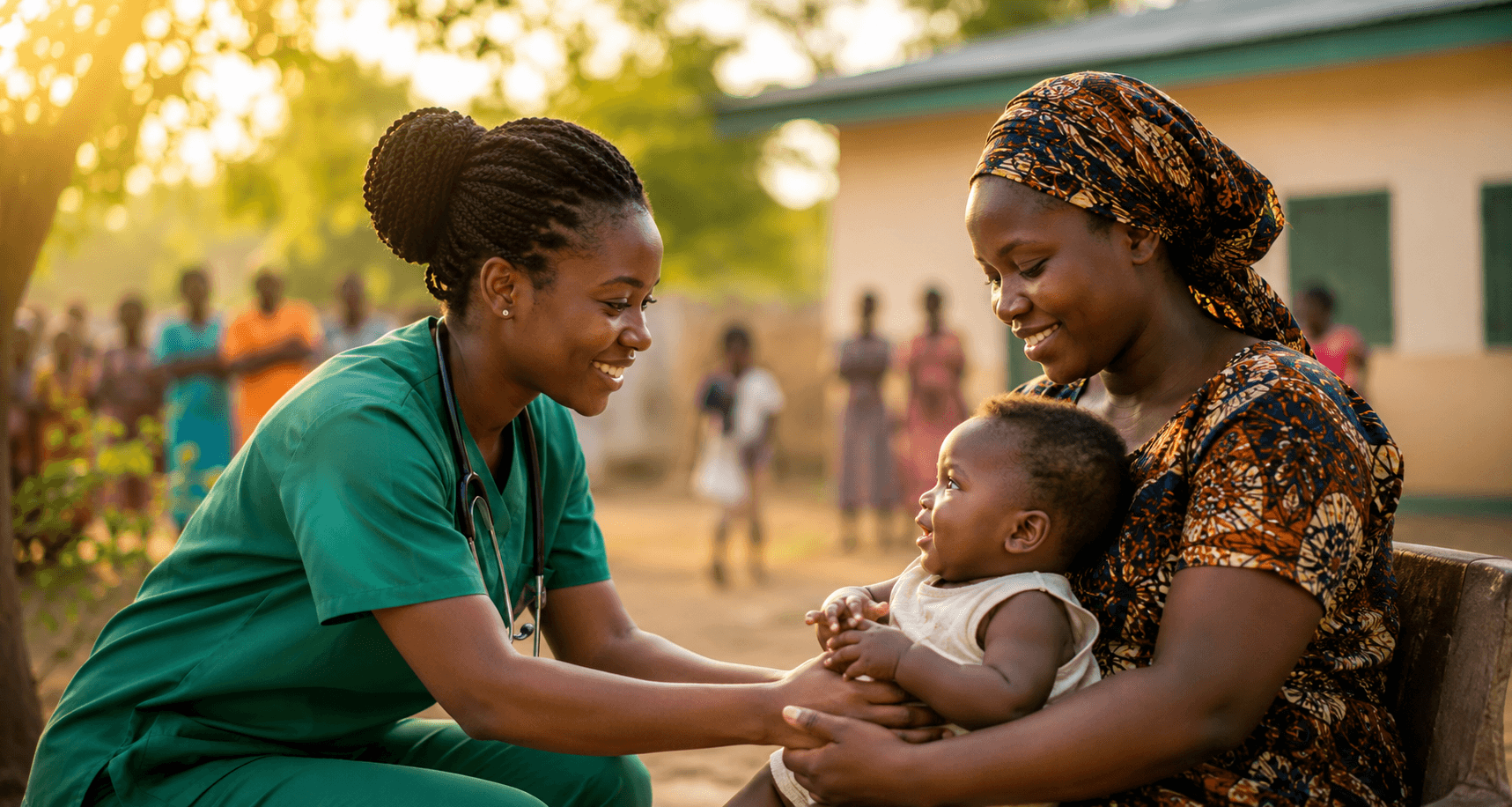
Empowering Displaced Mothers. Nurturing Brighter Futures.
Together, We Build Healthier Families, Restore Hope, and Strengthen Vulnerable Communities.
The Problem
“The Anglophone crisis in Cameroon is one of the world's most neglected and forgotten displacement crises”— Norwegian Refugee Council
Since the outbreak of the Anglophone crisis in 2016, over one million people have been displaced from Cameroon’s North-West and South-West regions, with many seeking refuge in safer towns across the country. Edéa, a town strategically located between Douala and Yaoundé, became a preferred destination for many internally displaced persons (IDPs) because of its relatively lower cost of living and distance from the conflict zones.
However, the rapid influx of displaced families into Edéa increased pressure on already limited social and health services, contributing to growing challenges in sexual and reproductive health and rights (SRHR). Statistics from the Regional Delegate of Health suggested that teenage pregnancies increased by 64% between 2018 and 2023.
It was in response to these challenges that Divine Care — A Tony Elumelu Foundation funded initiative was created.
Our Approach
At Divine Care Foundation, we believe that access to quality healthcare is a fundamental human right. Our work was born in response to the humanitarian impact of Cameroon’s Anglophone crisis, which displaced thousands of families into Edéa and surrounding communities.
Today, we work to restore dignity, improve health outcomes, and build resilience by ensuring that internally displaced persons and other vulnerable families can access affordable, compassionate, and life-saving healthcare.
Delivering Accessible Primary Healthcare
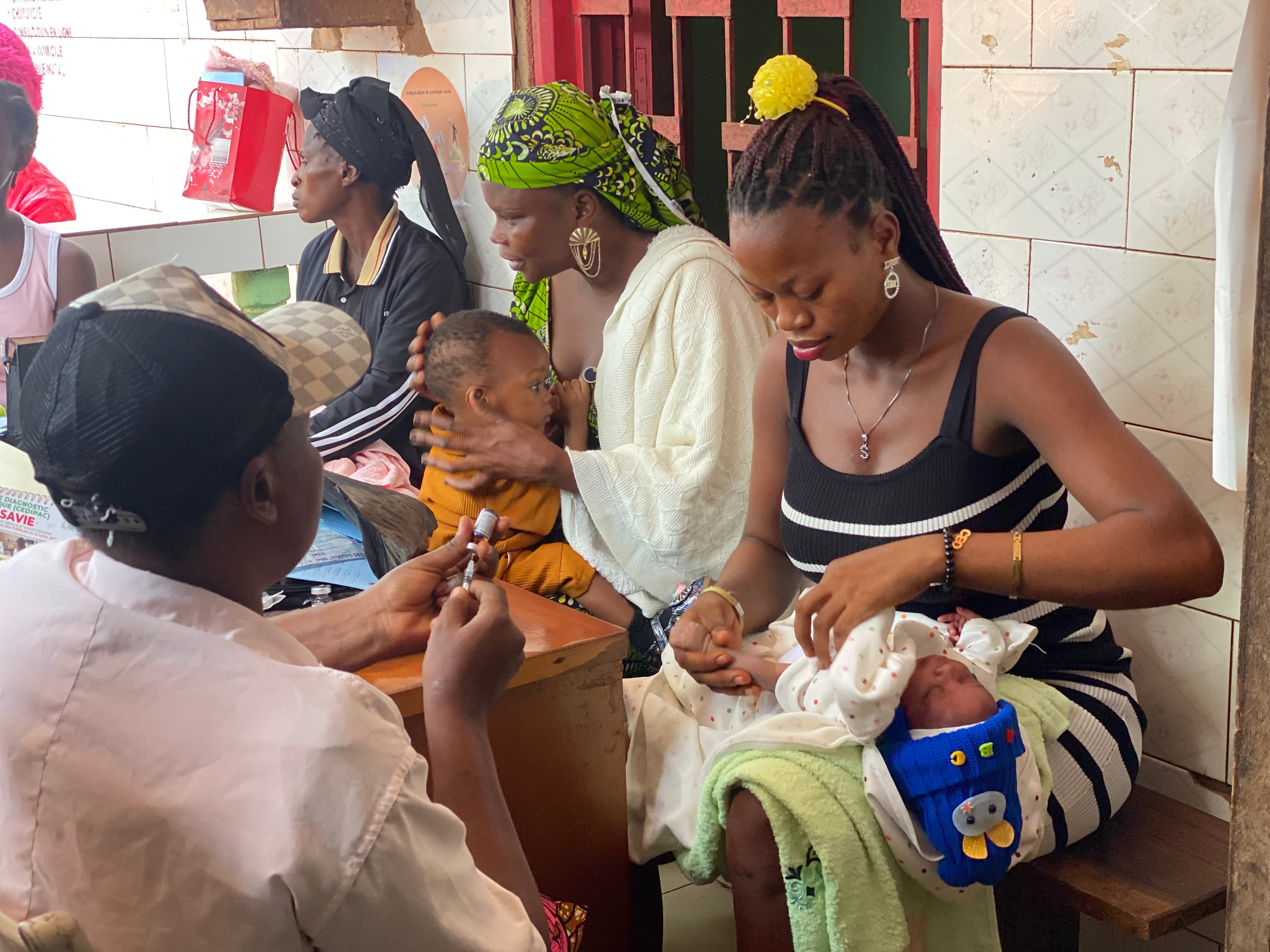
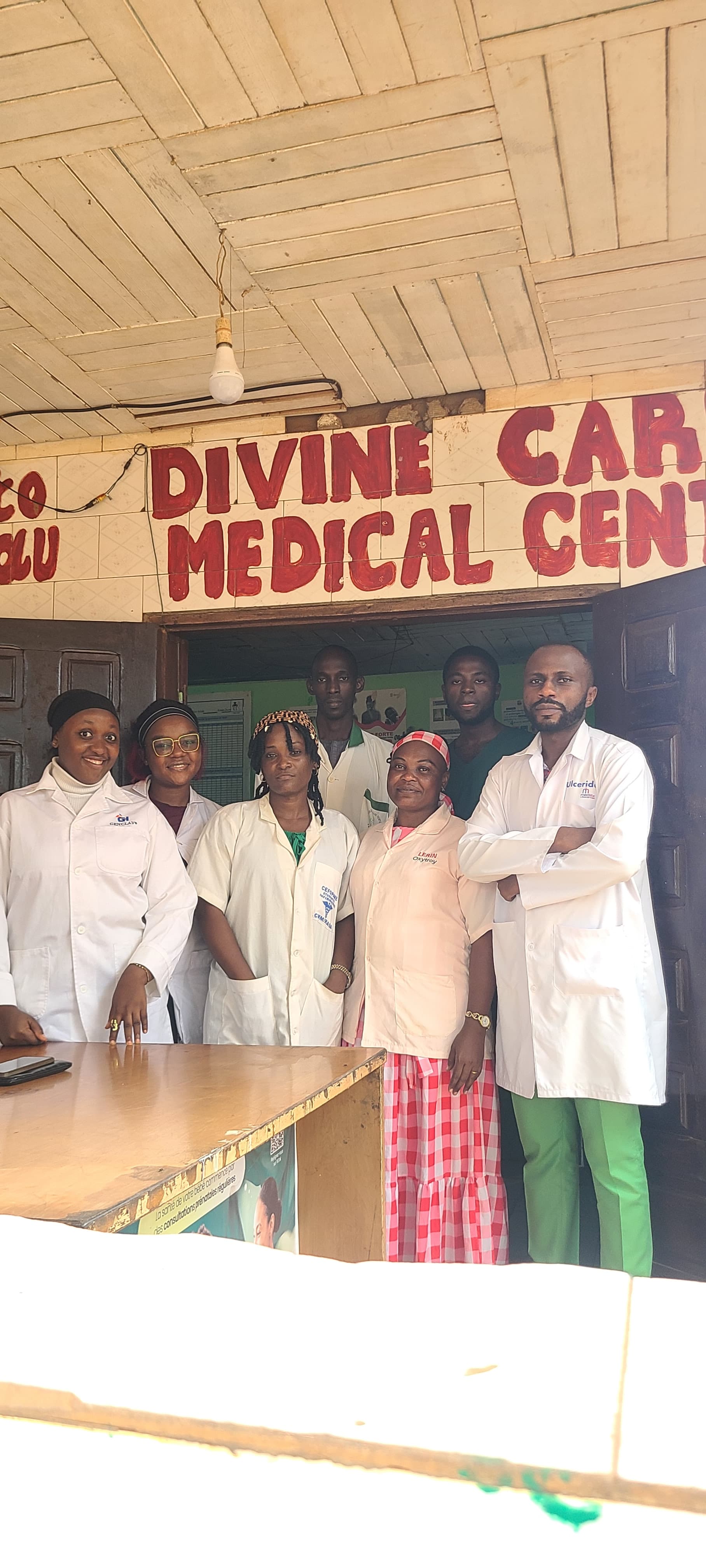
Through the Divine Care Medical Center, we provide affordable, high-quality primary healthcare to internally displaced persons and underserved communities. Our services include antenatal and postnatal care, safe delivery, child immunization, family planning, reproductive health services, general consultations, and treatment of common illnesses.
By bringing quality healthcare closer to those who need it most, we reduce preventable illness, maternal deaths, and newborn complications.
Removing Financial Barriers to Care
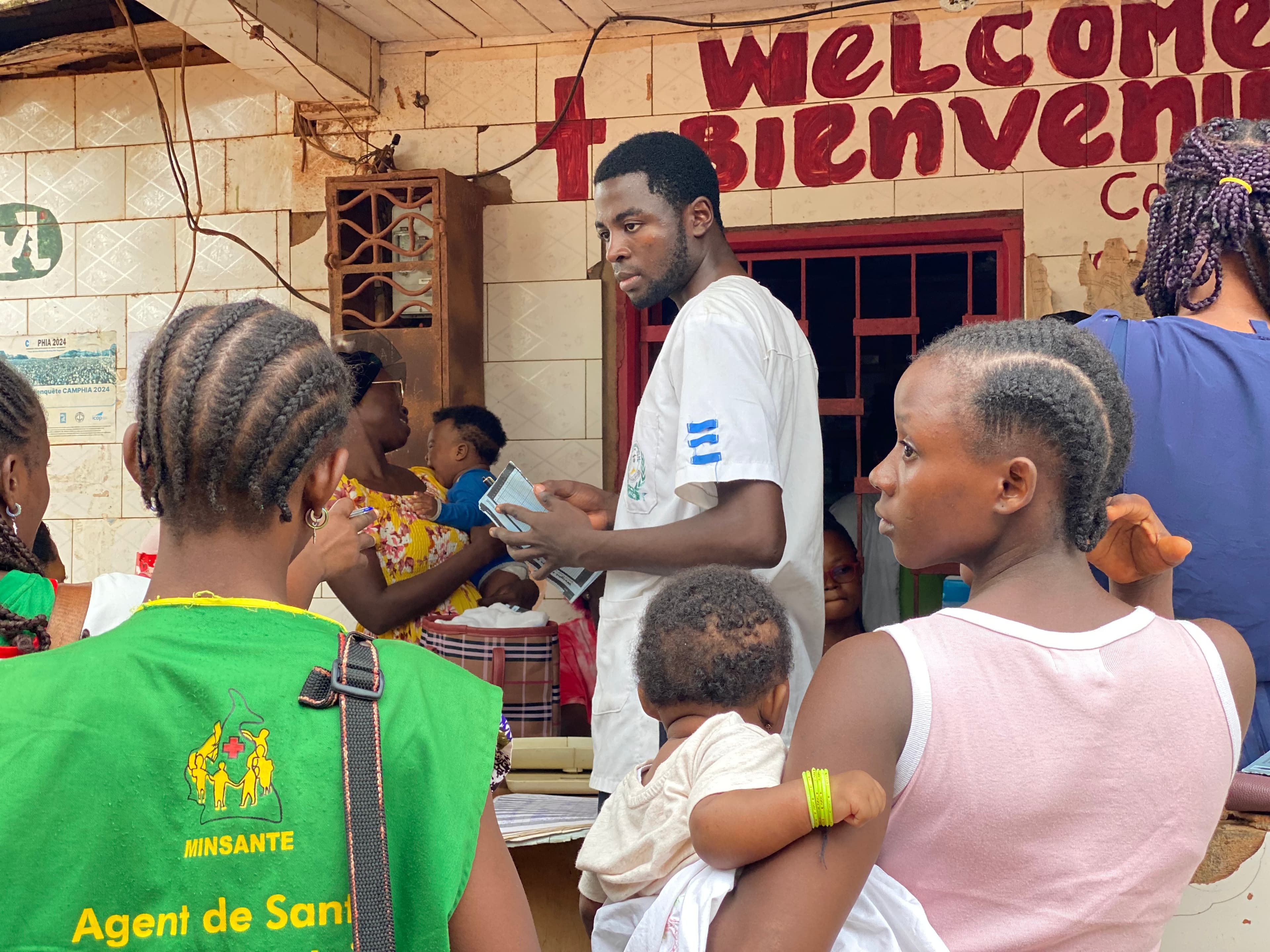
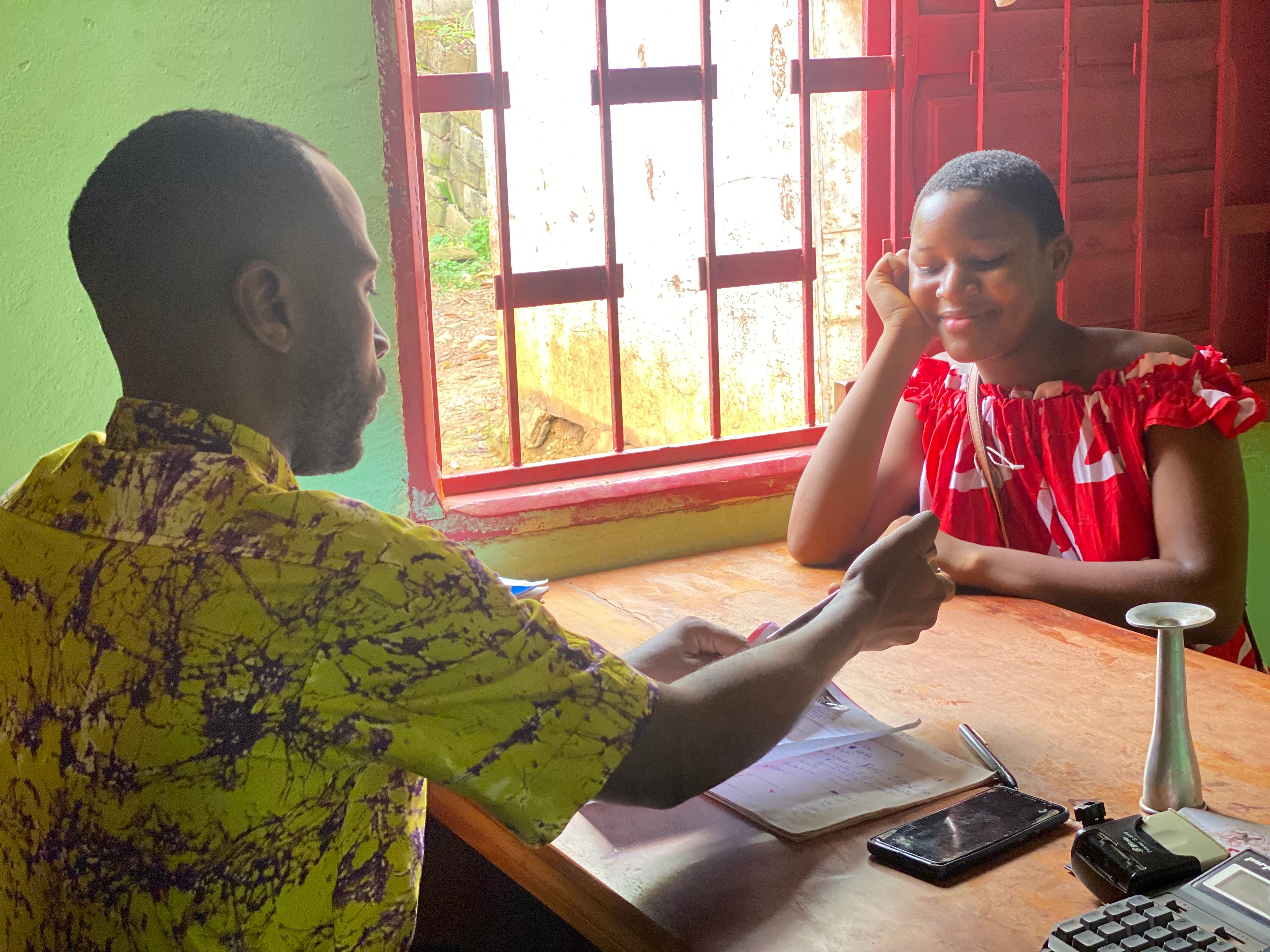
Displacement often leaves families without a stable income, making healthcare unaffordable when it is needed most.
Our flexible payment model ensures that inability to pay does not prevent vulnerable families from receiving essential healthcare. Through subsidized care, flexible payment arrangements, donor-supported treatment, and free preventive services, we protect families from choosing between healthcare and basic survival.
Empowering Communities Through Health Education
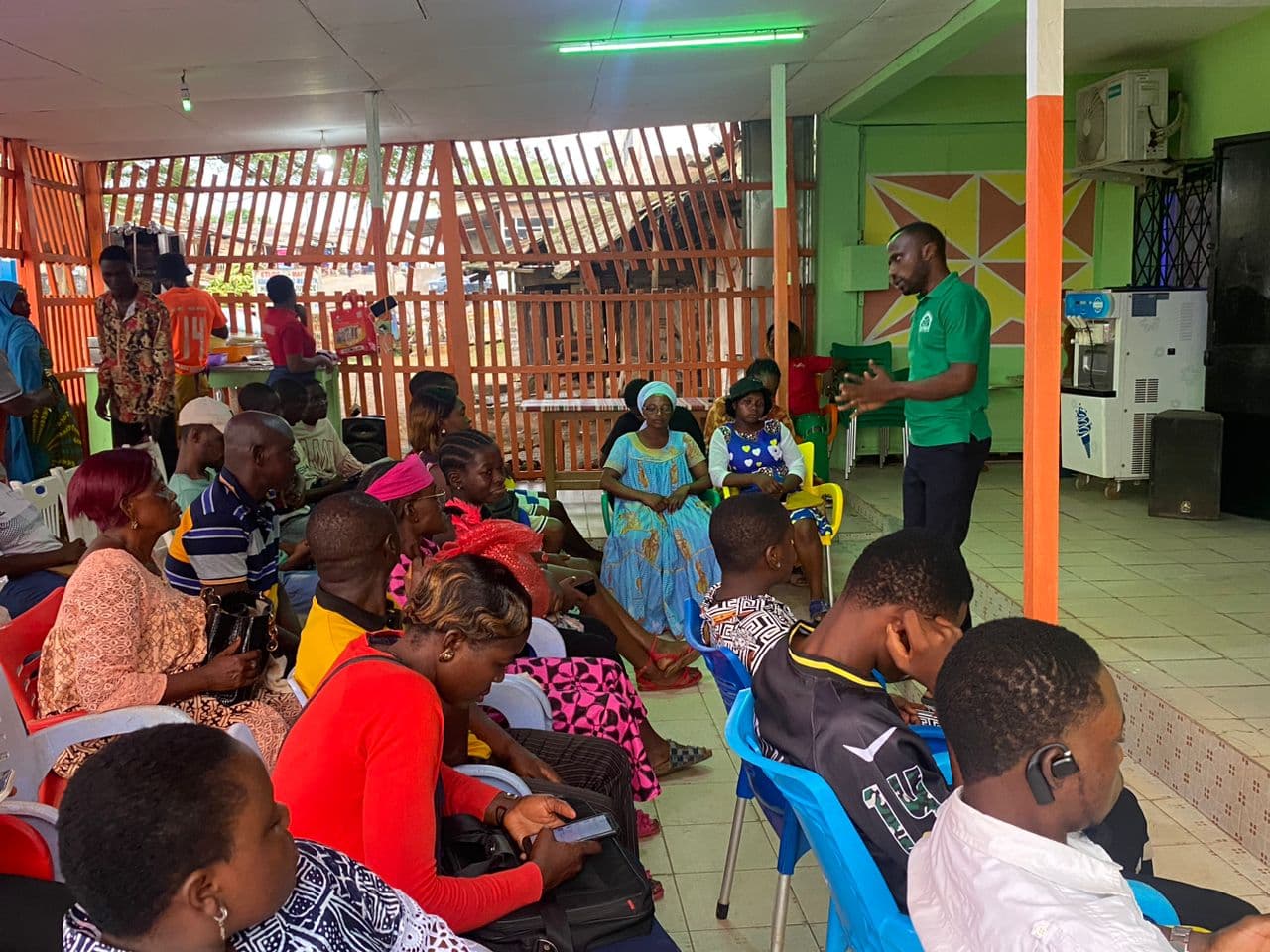
Lasting health improvements begin with knowledge. We conduct regular community outreach in IDP settlements, churches, schools, and local communities.
We promote early antenatal care, childhood immunization, family planning, nutrition, malaria prevention, hygiene, adolescent reproductive health, and disease prevention. Our education programs empower families to make informed decisions before illness becomes a crisis.
Building Long-Term Resilience Through Partnerships
Humanitarian needs cannot be solved by one organization alone. We partner with community leaders, government health services, humanitarian agencies, local organizations, and development partners.
Together, we strengthen healthcare systems, improve referrals, expand services for internally displaced persons, and create sustainable solutions that continue long after emergencies have passed.
A Curve of Hope, Resilience, and Sustainable Growth
Every step we take bends the curve toward a safer, healthier future for displaced mothers and vulnerable children in Edéa and beyond.
"From Displacement to Self-Reliance: Healing Communities One Life at a Time."
We measure our success not just in numbers, but in restored smiles, secure pregnancies, empowered youth, and communities equipped to thrive despite adversity.